
Exterior Lead Paint Removal for Georgia Homes: Why It Matters and How It’s Done
Roxanne Ecklund
[vc_row][vc_column][vc_column_text css=””]Removing exterior lead paint is critical for maintaining a safe and healthy home environment, especially in Georgia, where older homes might still contain lead-based paint. Homes built before 1978 are most at risk, as lead paint was banned in the U.S. that year due to its severe health risks. Children under six and pregnant women are particularly vulnerable to lead poisoning, which can cause developmental delays, learning disabilities, and lifelong health problems. For adults, exposure can lead to high blood pressure, kidney issues, and reproductive challenges. Addressing lead paint hazards ensures not only compliance with legal requirements but also peace of mind for families.
Why Lead Paint Removal Matters
Lead paint becomes dangerous as it deteriorates, breaking into chips or dust that can be ingested or inhaled. This poses significant health hazards, particularly to young children whose bodies absorb lead more readily. Removing this paint is a proactive step to protect your family’s well-being. In Georgia, homeowners may also face legal obligations to address lead hazards, particularly when selling or renovating older homes. Removing lead-based paint not only protects health but can also increase property value, as buyers often prefer homes free from lead risks.
Steps for Safe Lead Paint Removal
The removal process involves multiple steps to ensure safety and thoroughness:
- Assessment and Testing
A professional inspection identifies areas where lead paint is present. DIY lead testing kits can provide an initial assessment, but certified professionals offer more accurate results and compliance with regulations.
- Safety Measures
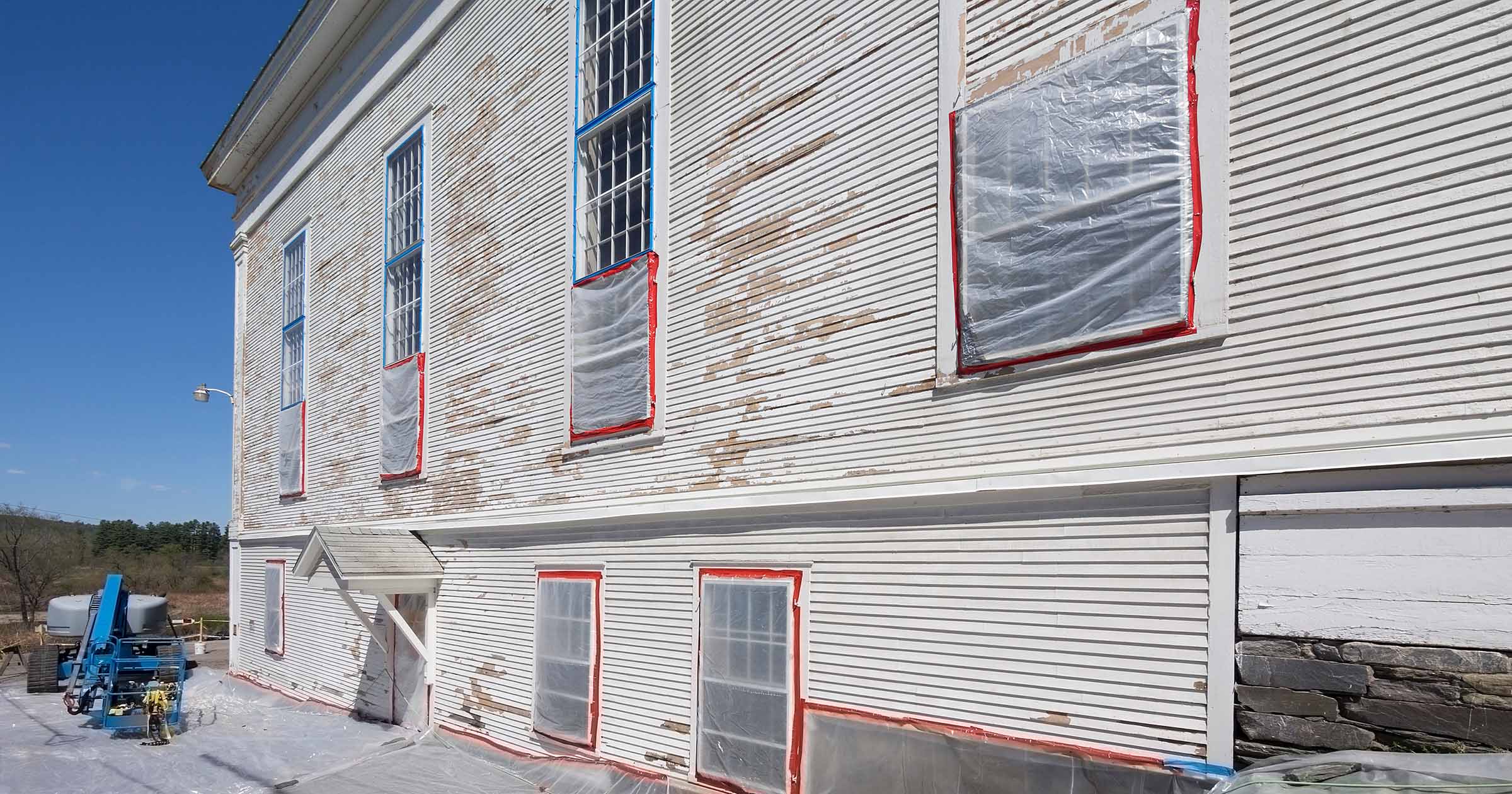
Containing the area is crucial to prevent the spread of lead dust. Workers and homeowners should use personal protective equipment (PPE), including respirators, gloves, and coveralls, to reduce exposure.
- Paint Removal
Methods like scraping, chemical stripping, or using heat tools are effective for lead paint removal. It’s essential to avoid sanding or abrasive methods that create airborne dust. Professionals use specialized equipment and techniques to safely remove the paint while minimizing contamination.
- Disposal
Proper disposal of lead-contaminated materials is vital to avoid environmental pollution. In Georgia, homeowners must follow local regulations for disposing of lead waste.
- Post-Removal Cleaning
Once the paint is removed, HEPA vacuuming and damp wiping help eliminate any remaining lead dust. Testing the area ensures it meets safety standards.
- Repainting and Sealing
After lead removal, applying a durable coating, such as Rhino Shield, helps seal the surface and provides long-term protection. Rhino Shield’s ceramic-based coatings are an excellent choice for Georgia homes, offering durability against heat, humidity, and weathering.
Health and Legal Benefits
Removing lead paint from your home is not just about aesthetics; it’s about safeguarding your family’s health and complying with laws. In Georgia, state and federal regulations require disclosure of lead hazards during property sales or renovations. For more information, visit the EPA Lead-Based Paint Program, Georgia Lead Poisoning Prevention, and CDC Lead Information.
Why Choose Professionals?
While DIY approaches are possible, professional lead paint removal ensures thoroughness and compliance with safety standards. Certified contractors use advanced tools and follow strict protocols to minimize risks. In Georgia, choosing experienced professionals familiar with the state’s climate and housing trends ensures your home remains safe and valuable.
Enhancing Your Home with Rhino Shield
After removing lead paint, Rhino Shield’s ceramic coatings offer a superior alternative to traditional paint. These coatings are designed to withstand Georgia’s unique climate, providing resistance to moisture, UV rays, and temperature fluctuations. Rhino Shield is not just a protective layer; it’s a long-lasting investment that enhances curb appeal while safeguarding your home’s exterior.
Removing lead paint is a critical step toward ensuring a healthy, safe, and valuable home. By addressing lead hazards, you protect your family’s health, comply with legal requirements, and improve your property’s appeal. Georgia homeowners have unique challenges, but with the right approach and durable solutions like Rhino Shield, you can enjoy a beautiful, worry-free home for years to come. For more details on lead safety, check out resources like the EPA Lead Guide and Georgia Department of Public Health.[/vc_column_text][/vc_column][/vc_row]