
How to Protect Your Landscaping When Painting Your House
Roxanne Ecklund
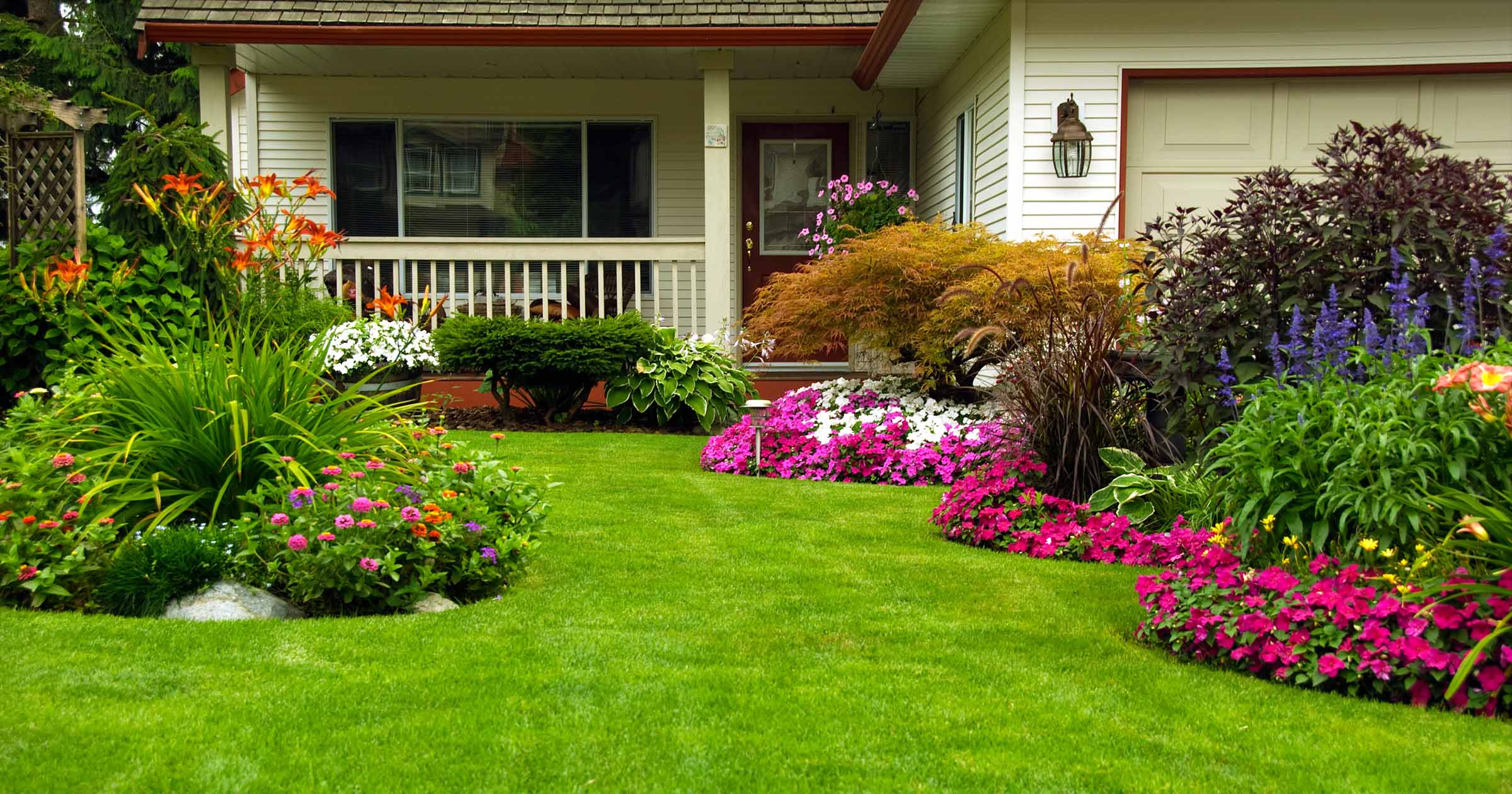
[vc_row][vc_column][vc_column_text css=””]Painting the outside of your house can be exciting, especially when you imagine how great it will look with a fresh coat of paint. But if you have a beautiful garden, a lush lawn, or carefully trimmed bushes, you might worry about protecting them during the painting process. Paint splatters or spills could damage the landscaping you’ve worked hard to maintain.
At Rhino Shield, we understand how important your landscaping is to you. With our experience in high-quality, long-lasting exterior coatings, we know how to help you protect your outdoor spaces while your home gets a fresh look. This guide will show you some easy steps to keep your plants safe and your garden looking great during your painting project.
Know What Needs Protection
Before you start protecting your plants, it’s important to figure out which parts of your landscaping need the most care. This means looking at all the different plants and features in your yard to see which ones might be delicate or valuable.
Identify Delicate and Valuable Plants
Start by making a list of the plants in your yard, focusing on those that are especially delicate or important to you. Flowers like annuals and perennials, along with young trees, are more likely to be damaged by paint. If any plants hold special meaning or would be hard to replace, make sure they get extra protection.
Think About the Risks
Once you know which plants need special care, think about the risks they might face during the painting project. The type of paint and how it’s applied—whether by spraying, brushing, or rolling—can affect how easily paint could get on your plants. Understanding these risks will help you decide how much protection is needed.
Get Your Yard Ready
Protecting your landscaping starts with good preparation. Setting up protective measures before painting begins can help keep your plants safe.
Steps to Take Before Painting Starts
Clear the Area: Move garden tools, planters, and outdoor furniture away from the painting area. This keeps them safe from paint and gives the painters more space to work, reducing the chance of accidents.
Trim Back Plants: If plants are close to the house, consider trimming them back. This reduces the amount of foliage that could catch paint and makes it easier to cover them up.
Choosing the Right Materials for Protection
Drop Cloths and Tarps: Use large drop cloths or tarps to protect the ground and plants below. Make sure they’re big enough to cover the whole area where paint might fall. Secure them well so they don’t move around.
Plastic Sheeting: For extra protection, especially for delicate plants, use plastic sheeting. This can cover large areas or plants that are very sensitive to paint.
Protecting Different Parts of Your Landscaping
Different types of plants and landscaping elements need different protection strategies. Here’s how to protect each one:
Trees and Shrubs
Wrap Trunks: Use burlap or plastic wrap to cover tree trunks. This keeps paint from sticking to the bark, which could harm the tree.
Cover Branches: For large trees with lots of branches, use tarps and plastic sheeting to catch any paint that might fall from above.
Flower Beds and Gardens
Cover Soil: Spread drop cloths or plastic sheeting over the soil in flower beds. This prevents paint from soaking into the soil and harming your plants.
Protect Flowers: Use lightweight fabric or mesh to cover delicate flowers. This shields them from paint without hurting the plants.
Lawns and Grass Areas
Use Edging: Set up edging or temporary barriers around your lawn to keep paint off the grass. You can use garden edging or stakes to create a boundary.
Cover the Lawn: If you’re using a paint sprayer, you might need to cover the entire lawn with tarps to prevent paint from getting on the grass.
Building Barriers and Covers
Using Drop Cloths and Tarps
Secure the Edges: Make sure drop cloths and tarps are securely fastened around the edges. Use weights, stakes, or garden tools to keep them in place.
Overlap Cloths: When using more than one drop cloth, overlap them to prevent gaps. This helps catch any stray paint droplets.
Constructing Temporary Barriers
Build Frames: Create frames out of wood or metal to hold large sheets of plastic or tarps around vulnerable areas. This makes a strong barrier that protects your landscaping.
Use Stakes and Strings: For smaller areas or specific plants, use stakes and strings to create a simple barrier.
Best Practices During Painting
While preparation is key, following best practices during painting can further reduce the risk of damage.
Controlled Painting Techniques
Use Drop Sheets: Make sure painters use drop sheets and tarps throughout the project to catch any accidental drips.
Control Spray Techniques: If using a spray gun, adjust the nozzle to control the spray and reduce overspray. Precise spraying helps keep paint off nearby plants.
Managing Drips and Spills
Quick Cleanup: Clean up any paint drips or spills immediately to prevent permanent damage. Have cleaning supplies ready to handle accidents quickly.
Check for Residue: Regularly inspect your landscaping during the project to make sure no paint is settling on your plants.
After the Painting is Done
Once the painting is finished, it’s important to clean up carefully to make sure your landscaping recovers well.
Removing Paint Residue Safely
Rinse Off: Gently rinse off any paint residue from your plants with water. Use a garden hose with a soft spray setting to avoid damaging them.
Use Paint Removers: For stubborn spots, use a non-toxic paint remover that’s safe for plants. Follow the instructions carefully to avoid harming your landscaping.
Caring for Your Plants After Painting
Watering: After the project, water your plants well to help them recover from any stress. This supports their health and encourages growth.
Monitor Health: Keep an eye on your plants in the weeks following the painting to check for any signs of damage. Early detection can help prevent problems from getting worse.
Protecting your landscaping during an exterior painting project is important for keeping your outdoor spaces beautiful and healthy. By preparing properly and using the right protective measures, you can ensure that your plants stay safe while your house gets a fresh new look. With these tips, you can confidently start your painting project, knowing that your landscaping is well-protected.[/vc_column_text][/vc_column][/vc_row]