
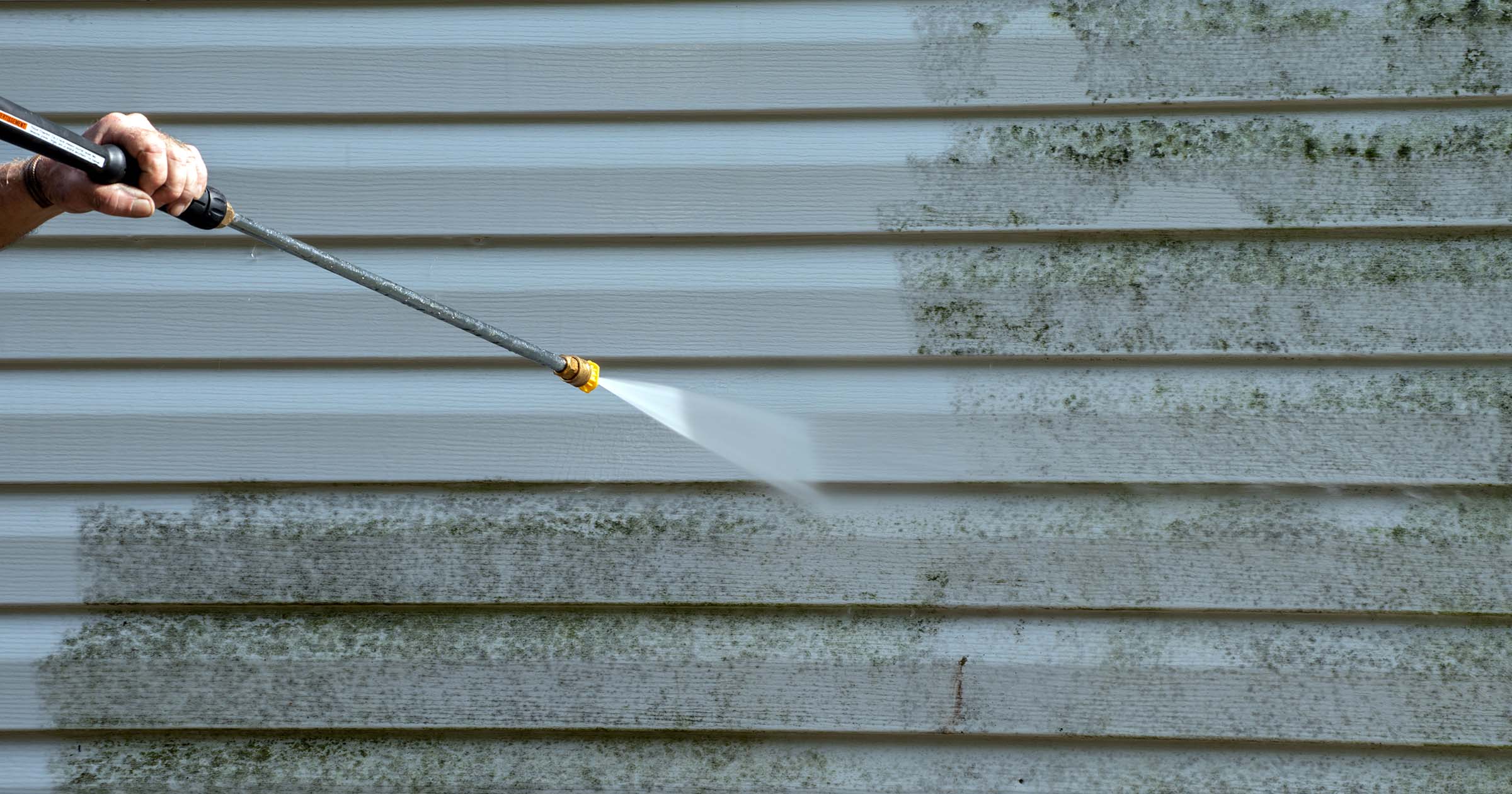
Is It Safe to Use Bleach to Clean the Exterior of My Home?
Roxanne Ecklund
[vc_row][vc_column][vc_column_text css=””]Maintaining the exterior of your home is essential for curb appeal and structural integrity. Over time, mold, mildew, algae, and dirt can accumulate on surfaces like siding, brick, decks, and driveways. Many homeowners turn to bleach as a powerful cleaning solution, but is it safe to use on your home’s exterior?
The Short Answer: It Depends
Bleach can be effective for cleaning certain surfaces, but it must be used carefully. While it can kill mold and mildew, it can also cause damage to some materials, harm plants, and pose health risks if not handled properly.
Pros of Using Bleach for Exterior Cleaning
- Kills Mold and Mildew
Bleach is highly effective at removing mold, mildew, and algae from surfaces like vinyl siding, concrete, and fences. - Affordable and Accessible
Household bleach is inexpensive and readily available, making it an attractive option for DIY exterior cleaning. - Quick Results
When applied correctly, bleach works fast to remove stains and discoloration, restoring your home’s exterior.
Cons and Risks of Using Bleach
- Damage to Surfaces
- Bleach can weaken certain materials like wood, painted surfaces, and some types of siding over time.
- It can cause discoloration on surfaces that aren’t bleach-resistant.
- Harmful to Plants and Landscaping
- Runoff from bleach can damage grass, flowers, and shrubs.
- Nearby trees and plants can suffer from prolonged exposure to bleach mist or spills.
- Health and Safety Concerns
- Bleach fumes can be harmful if inhaled in enclosed spaces.
- Direct contact with skin or eyes can cause irritation or burns.
Best Practices for Using Bleach on Your Home’s Exterior
If you decide to use bleach, follow these safety precautions to minimize risks:
- Dilute the Bleach
- A common ratio is one part bleach to three or four parts water.
- Never use pure bleach on surfaces as it can be too harsh.
- Protect Plants and Landscaping
- Wet down plants before and after using bleach to minimize absorption.
- Cover delicate plants with plastic sheeting if necessary.
- Wear Protective Gear
- Use gloves, safety glasses, and a mask to protect yourself from fumes and skin irritation.
- Apply With Caution
- Use a garden sprayer or soft brush to apply the bleach mixture.
- Avoid pressure washing with bleach, as it can create airborne particles that are harmful to breathe.
- Rinse Thoroughly
- Always rinse the area well with water after cleaning to remove any bleach residue.
Alternatives to Bleach
If you’re concerned about bleach’s effects, consider these safer alternatives:
- Oxygen Bleach (Sodium Percarbonate) – A gentler, plant-safe alternative that still removes stains and mildew.
- White Vinegar – Effective for mold and algae on certain surfaces.
- Commercial Biodegradable Cleaners – Many eco-friendly exterior cleaners are designed to be tough on dirt but safe for plants and materials.
Final Verdict
Bleach can be an effective cleaning agent for your home’s exterior, but it should be used with caution. While it works well for mold and mildew removal, improper use can lead to damage, environmental harm, and health risks. If you choose to use bleach, always dilute it, protect nearby plants, and wear safety gear. For a safer approach, consider eco-friendly alternatives that provide a clean home without the risks.
Get a FREE Quote for Rhino Shield[/vc_column_text][/vc_column][/vc_row]